

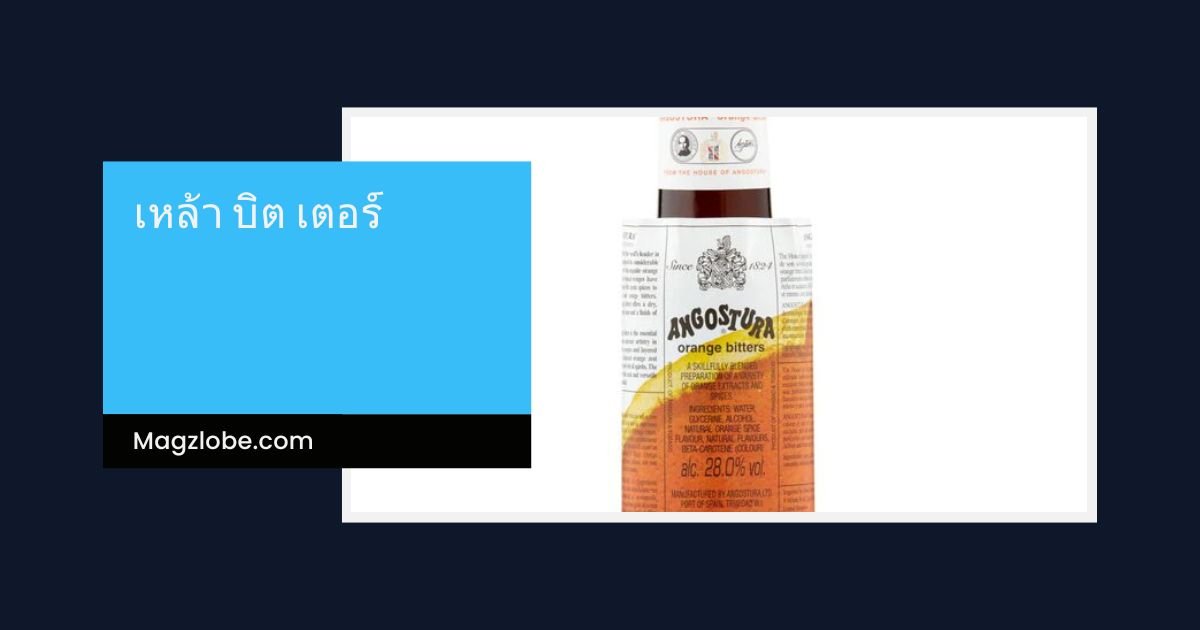
เหล้า บิต เตอร์ — A Practical Guide to Bitter Liqueurs, Uses, and Recipes
Meaning
The Thai phrase เหล้า บิต เตอร์ translates to bitter liquor or bitter liqueur in English. It commonly refers to bitter-tasting alcoholic preparations used as aperitifs, digestifs, or cocktail flavoring agents. Synonyms and related English terms include: bitter liqueur, aromatic bitters, amaro, bitters tincture, herbal liqueur, and digestif.
Introduction
Bitter flavors make cocktails more interesting and meals more digestible. The phrase เหล้า บิต เตอร์ points to a world where herbal liqueurs, aromatic bitters, and amaro shape modern mixology and home bartending rituals. This article explains what เหล้า บิต เตอร์ means, how to use it, and how to craft your own bottle.
What เหล้า บิต เตอร์ Means in Practice (bitter liqueur & aromatic bitters)
When people say เหล้า บิต เตอร์, they often mean either bottle bitters (small-drop aromatic concentrates like Angostura or Peychaud’s) or larger bitter liqueurs (amaro-style bottles such as Campari or Fernet-Branca). Both function as:
-
Aperitifs — to stimulate appetite before dining.
-
Digestifs — to help settle the stomach after a meal.
-
Cocktail enhancers — to add complexity, balance sweetness, and introduce herbal notes.
Think of เหล้า บิต เตอร์ as the spice rack of the bar: a little goes a long way, and the right drop transforms a simple drink into something memorable.
History and Cultural Roots of Bitter Liqueurs
Bitter tinctures date back centuries, derived from medicinal herbal bitters mixed with spirits for preservation and palatability. In Europe, amaro and herbal liqueurs evolved from apothecary recipes. Today, เหล้า บิต เตอร์ bridges that tradition with contemporary mixology — from classic aperitivos like Aperol to New World craft bitters bottled by indie brands.
Common Types and Brands (entities and examples)
-
Angostura — classic aromatic bitters, staple in Old Fashioned and Manhattan.
-
Peychaud’s — essential in Sazerac.
-
Campari — a bright, bitter aperitif used in Negroni.
-
Fernet-Branca — a potent digestif with menthol and herbaceous notes.
-
Aperol — milder, sweeter, used in Aperol Spritz.
These brands exemplify the range of เหล้า บิต เตอร์ from dropper-style tinctures to full-bodied liqueurs.
How to Use เหล้า บิต เตอร์ in Cocktails (mixology tips)
-
Start small. With aromatic bitters, 1–3 drops can change a drink’s balance.
-
Balance sweetness. Bitter liqueurs like Campari offset sweet vermouth in a Negroni.
-
Pair with citrus. Lime, lemon, and orange peel brighten bitter notes.
-
Layer textures. Combine bitters syrup with soda for a refreshing aperitif.
Practical example: build a simple aperitif — 1 oz Campari, 1 oz sweet vermouth, soda to top — garnish with orange. Time-tested, and deeply tied to the เหล้า บิต เตอร์ tradition.
Making Homemade เหล้า บิต เตอร์ (simple recipe)
You can make a small batch at home using maceration:
-
Choose a base spirit (vodka or neutral grain spirit).
-
Add bittering agents: gentian root, cinchona bark, or citrus peel.
-
Add aromatics: coriander, cardamom, clove, or dried herbs.
-
Macerate for 2–4 weeks, shaking daily.
-
Strain, sweeten lightly with simple syrup if desired, and bottle in a dropper or small jigger-friendly bottle.
This DIY เหล้า บิต เตอร์ becomes a signature ingredient in home cocktails and a conversation starter among friends.
Culinary and Health Notes (are bitters safe?)
Bitters are alcoholic, often with high proof in tinctures and lower ABV in amaro-style liqueurs. In moderate amounts, เหล้า บิต เตอร์ has been used traditionally to aid digestion — though modern claims should be taken with balance and not as medical advice. If you have medical conditions or medications, consult a professional before regular consumption.
Pairing เหล้า บิต เตอร์ with Food and Snacks
-
Seafood: citrusy bitters pair well with oily fish.
-
Cheeses: bitter liqueurs cut through rich, creamy cheeses.
-
Spicy foods: bitters’ herbal bitterness balances heat.
A small digestif of Fernet-Branca after a heavy meal can feel cleansing, illustrating how เหล้า บิต เตอร์ functions beyond the glass.
Bar Tools and Service (how to dose and serve)
-
Use a dropper bottle for aromatic bitters (accuracy matters).
-
Keep a jigger for measuring amaro and bitter liqueurs.
-
Offer chilled or room-temperature service depending on the style: Aperol Spritz needs ice; Fernet is often served neat.
Mixology Techniques: Edit Like a Bartender (Dale DeGroff & IBA influence)
Bartenders like Dale DeGroff popularized technique-driven cocktails where aromatic balance matters. The IBA list includes classic recipes that incorporate bitters. Learning basic techniques—stirring vs shaking, rinse vs dash—helps you use เหล้า บิต เตอร์ confidently and creatively.
Buying Guide: What to Try First
-
For beginners: Aperol or Campari (approachable aperitifs).
-
For classic cocktail work: Angostura and Peychaud’s.
-
For adventurous drinkers: Fernet-Branca or artisanal local bitters.
Look for transparent ingredients and trusted brands to ensure a good เหล้า บิต เตอร์ experience.
Troubleshooting and Storage
-
Store in a cool, dark place.
-
Aromatic bitters last a long time due to high alcohol content.
-
If overly bitter, balance with sweet vermouth or simple syrup.
Conclusion
Whether you’re exploring aperitifs, crafting signature cocktails, or making a small bottle of เหล้า บิต เตอร์ at home, bitter liqueurs expand your tasting vocabulary and deepen culinary pairings. Try one new brand this week, experiment with a home maceration, and share your favorite เหล้า บิต เตอร์ recipe with friends. Ready to add a dash of bitter to your next drink?
Also Read: zuschneidfelle Mastery: Cut, Care, and Create Like a Pro
FAQ (answers to the PAA questions)
What is เหล้า บิต เตอร์ and how is it used in cocktails?
เหล้า บิต เตอร์ is bitter liquor or bitter liqueur used as an aperitif, digestif, or flavoring in cocktails. In mixology, it adds herbal complexity, balances sweetness, and creates memorable bitter-sweet profiles.
Are bitters alcoholic and safe to drink?
Yes, bitters are alcoholic. Aromatic bitters are concentrated tinctures (small doses), while amaro-style bitter liqueurs have higher volume pours. Generally safe in moderation; consult a health professional for medical concerns.
How can I make homemade เหล้า บิต เตอร์ (bitter liqueur)?
Macerate bitter roots (gentian, cinchona) and aromatics in neutral spirit for 2–4 weeks, strain, and optionally sweeten. Bottle in a dropper or small jigger-friendly bottle for cocktails.
What are common bitters brands to try first?
Start with Angostura, Peychaud’s, Campari, Aperol, and Fernet-Branca. These cover aromatic bitters, aperitifs, and digestifs.
Can เหล้า บิต เตอร์ help digestion after a meal?
Traditionally, bitter liqueurs were used as digestifs and may aid digestion by stimulating gastric response. However, scientific evidence varies; use them as part of a balanced approach to post-meal rituals.