

Introduction
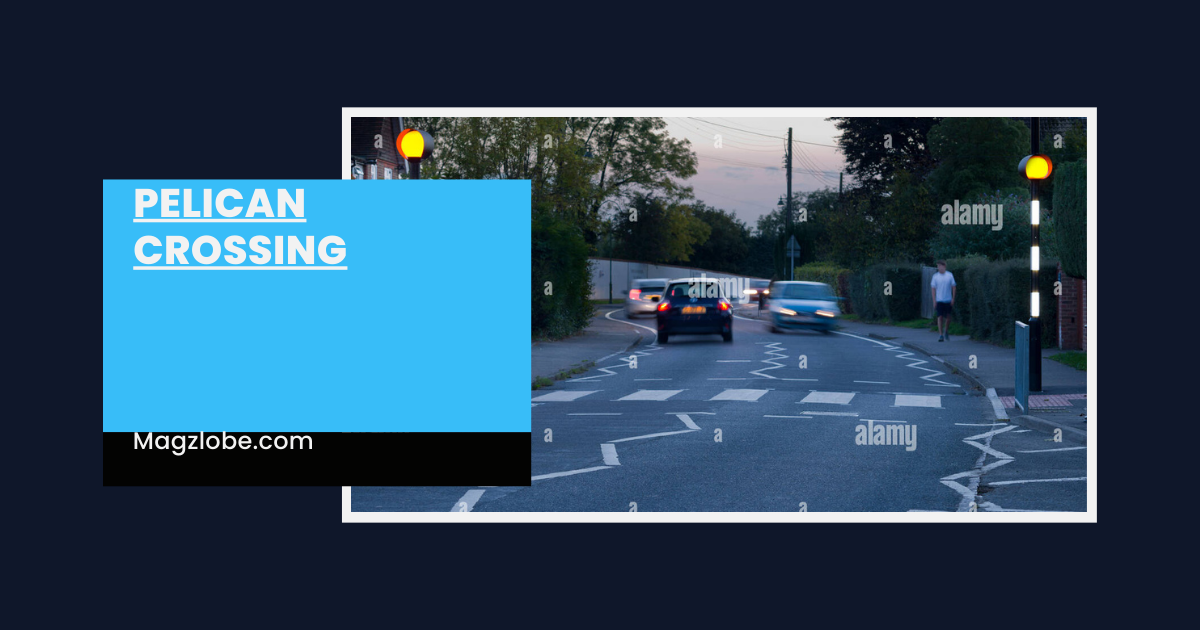
A pelican crossing is a familiar sight on many streets — a signal-controlled pedestrian crossing that stops traffic at the push of a button. Simple in idea but crucial for safety, pelican crossings shape how people move in towns and cities. This guide explains what a pelican crossing is, how to use it safely, and how better design makes streets kinder for everyone.
What is a pelican crossing?
A pelican crossing (short for PEdestrian LIght CONtrolled crossing) is a type of signalised crossing where pedestrians press a button to trigger traffic lights to stop vehicles and allow safe passage. Unlike unsignalled crossings, pelican crossings coordinate the green man signal with traffic lights, providing regulated gaps for people to cross.
Key components of a pelican crossing
-
Push-button unit: lets pedestrians request a crossing.
-
Green man / red man signals: tell pedestrians when to walk or wait.
-
Traffic lights for vehicles: red, amber, green phases controlled by the signal controller.
-
Pedestrian refuge island (on wider roads): allows staged crossing.
-
Tactile paving and kerb ramps: support accessibility.
A pelican crossing’s operation is often controlled by a Traffic Signal Controller and designed under guidance from road authorities like the Department for Transport (DfT) or local council highways teams.
How a pelican crossing works
Understanding the sequence helps both walkers and drivers act predictably:
-
Pedestrian presses the button at the kerb.
-
Signal controller registers the request and times the next phase.
-
Traffic lights turn red, stopping vehicles at the stop line.
-
Green man lights up for pedestrians; a countdown timer may show remaining seconds.
-
Flashing green man / steady amber signals the end of the crossing period (depending on design).
-
Traffic resumes when the lights return to green for vehicles.
Timing and safety features vary: some crossings include audible tones for visually impaired users, while modern versions might show a numeric countdown. Transport for London (TfL) and other agencies sometimes trial upgrades like longer crossing times where needed.
Pelican vs Zebra vs Toucan — quick differences
-
Pelican crossing: signal-controlled; pedestrians press a button to stop traffic.
-
Zebra crossing: marked by black-and-white stripes; traffic must give way to pedestrians waiting to cross; no traffic lights.
-
Toucan crossing: wide crossing for TOgether — pedestrians and CYclists, signal-controlled and often used on cycle-friendly routes.
Understanding the difference helps both drivers and pedestrians respond correctly and reduces confusion at junctions.
Safety tips for pedestrians at a pelican crossing
Using a pelican crossing seems obvious, but small habits make a big difference.
Before pressing the button:
-
Look left and right to check traffic flow.
-
Wait for vehicles to slow; don’t assume all drivers will stop instantly.
When crossing:
-
Watch the green man signal and the countdown timer.
-
Walk, don’t run — use the pedestrian refuge island if present.
-
Keep children and pets close; hold hands where possible.
For visually impaired pedestrians:
-
Use audible signals (if provided) or wait for an escort.
-
Tactile paving and kerb ramps help orientation — but always stay alert.
Drivers also have responsibilities: be ready to yield, avoid overtaking near crossings, and obey red lights strictly. Road safety organisations such as RoSPA and the Institute of Advanced Motorists (IAM) promote driver awareness around crossings to cut collisions.
Accessibility and inclusive design
Pelican crossings can be made more inclusive with straightforward additions:
-
Audible beeps and tactile indicators to help blind or partially sighted users.
-
Longer green man timings at locations near schools or for elderly pedestrians.
-
Raised kerbs and kerb ramps to ease wheelchair access.
-
Clear pavement markings and approach signage to warn drivers early.
Local councils and Road Safety Audit teams often review such improvements after community feedback or collision analysis. Schools sometimes request extra crossing time or a School Crossing Patrol (lollipop person) at busy times.
Real-life example: fixing a problem crossing
Imagine a narrow high street where shoppers struggled to cross during lunchtime. Drivers were impatient and people darted between vehicles. The council replaced an informal crossing with a pelican crossing, added tactile paving and audible signals, and adjusted signal timing. Within months, pedestrian complaints dropped — and local shop owners reported more relaxed footfall. This small design change improved safety and encouraged people to linger, which benefited the local economy.
When pelican crossings need review
Who installs and maintains pelican crossings? Broadly:
-
Local council highways teams typically handle installation, maintenance, and fault repairs.
-
Central guidance, like the Highway Code and DfT regulations, shapes design standards.
-
Community groups and safety organisations (e.g., RoSPA) may lobby councils for upgrades.
Common triggers for review:
-
Repeated near-misses or collisions.
-
Complaints from residents or schools.
-
Changes in traffic patterns — e.g., new housing or business developments.
A formal Road Safety Audit can recommend signal timing changes, tactile paving, or switching to a different crossing type (zebra or toucan) where appropriate.
Top 7 design tips for safer pelican crossings
-
Ensure clear sightlines for drivers and pedestrians.
-
Install tactile paving at approaches.
-
Use audible signals near visually impaired routes.
-
Provide pedestrian refuges on wide roads.
-
Synchronise nearby traffic signals to reduce unexpected vehicle surges.
-
Set longer crossing times near schools and elderly centers.
-
Regular maintenance to keep lights, buttons, and markings functional.
Conclusion
Pelican crossings are a simple but powerful tool for safer streets. By understanding how a pelican crossing works and advocating for accessible, well-maintained crossings, communities can reduce collisions and make walking more pleasant. If you’re worried about a crossing near you, contact your local council highways team — safer crossings start with informed citizens.
Also Read; Invisible String Theory: How Hidden Threads Shape Reality
FAQ
What is a pelican crossing and how does it work?
A pelican crossing is a push-button, signal-controlled pedestrian crossing. Pedestrians press a button to trigger traffic lights to stop vehicles and display a green man, allowing safe crossing.
How do you use a pelican crossing safely as a pedestrian?
Press the button, wait for the green man, watch the countdown, cross at a walking pace, and use pedestrian refuges if present. Stay alert and keep children close.
What’s the difference between a pelican and a zebra crossing?
A pelican crossing uses traffic signals and a button; a zebra crossing uses marked stripes and zig-zag lines where drivers must give way when someone steps onto the crossing.
Are pelican crossings accessible for visually impaired people?
Many are; accessible features include audible signals, tactile paving, and kerb ramps. However, accessibility varies by location — advocacy groups like the RNIB push for consistent features.
Who is responsible for installing and maintaining pelican crossings?
Local council highways teams normally install and maintain crossings, using guidance from national bodies like the Department for Transport (DfT) and the Highway Code.