

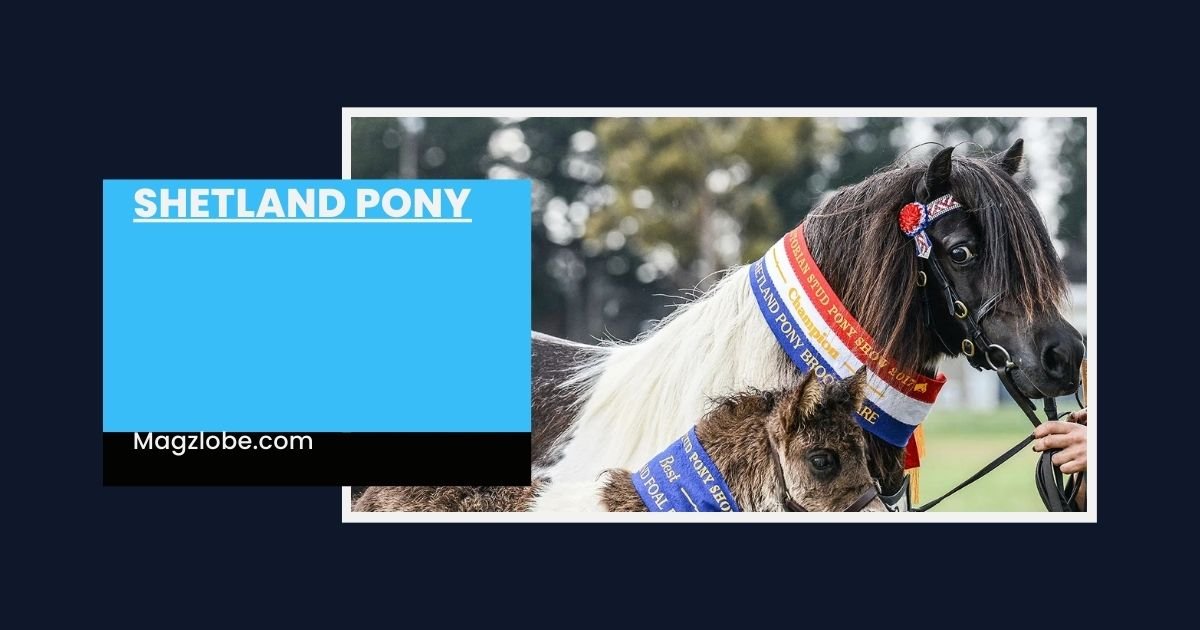
Shetland Pony: Everything You Need to Know About This Charming Miniature Horse
Shetland ponies are one of the most beloved miniature horse breeds in the world. Their small size, gentle temperament, and remarkable intelligence make them ideal companions for children and adults alike. Whether you’re an equestrian enthusiast or a family looking for a friendly pony, the Shetland pony offers endless joy and charm.
History and Origin of Shetland Ponies
The Shetland pony hails from the Shetland Islands, a remote group of islands in Scotland. Known for their resilience and strength, these ponies were originally used for farm work and transportation in harsh climates. Despite their small stature, Shetland ponies possess incredible endurance, which helped farmers in Shetland survive the challenging environment.
Interesting facts about Shetland pony heritage:
-
Originated over 2,000 years ago
-
Influenced by Norse ponies from Viking times
-
Bred for strength, hardiness, and versatility
Today, Shetland ponies are celebrated worldwide for their equestrian versatility and family-friendly nature.
Physical Characteristics of Shetland Ponies
Shetland ponies are small but powerful, making them surprisingly strong for their size.
Key Features:
-
Height: 28–42 inches (7–10.2 hands)
-
Weight: 400–450 pounds on average
-
Coat colors: Black, bay, grey, chestnut, and pinto
-
Mane and tail: Thick and flowing, ideal for cold climates
Their compact build and dense coat make them well-suited for colder climates and outdoor living. A Shetland pony’s size also makes it an excellent choice for children’s riding lessons and small-scale equestrian activities.
Temperament and Behavior
Shetland ponies are renowned for their intelligence, gentle temperament, and affectionate nature. While they are friendly, they can also be stubborn and strong-willed, requiring patient and consistent training.
Behavior highlights:
-
Sociable with humans and other animals
-
Quick learners when trained properly
-
Sometimes independent and determined
Their child-friendly personality makes them ideal for beginner riders, but supervision is recommended for young children.
Shetland Pony Care and Maintenance
Caring for a Shetland pony involves attention to diet, grooming, and exercise.
1. Nutrition
-
Balanced diet of hay, pasture grass, and occasional grain
-
Avoid overfeeding as Shetland ponies are prone to obesity
-
Provide fresh water and mineral supplements
2. Grooming
-
Daily brushing to remove dirt and prevent matting
-
Regular mane and tail care with equine grooming products
-
Hoof cleaning and inspection to prevent infections
3. Exercise and Training
-
Regular turnout in paddocks for freedom of movement
-
Short riding sessions or pulling small carts
-
Mental stimulation through games or training exercises
4. Health Maintenance
-
Routine veterinary check-ups
-
Vaccinations and deworming
-
Dental care and farrier visits
Shetland Ponies for Children
Shetland ponies are perfect for kids, offering both safety and fun. Their small size makes mounting easier, and their calm nature reduces the risk of accidents.
Benefits for children:
-
Teach responsibility through feeding and grooming
-
Boost confidence with riding lessons
-
Encourage empathy and care for animals
However, children should always ride under supervision and wear proper safety gear like helmets from brands such as Charles Owen.
Uses of Shetland Ponies
1. Riding and Lessons
-
Ideal for beginner riders due to size and temperament
-
Used in pony clubs and equestrian schools worldwide
2. Driving and Cart Pulling
-
Strong enough to pull small carts
-
Popular in competitive driving events
3. Showing and Competitions
-
Shetland Pony Shows organized by Shetland Pony Club
-
Judged on conformation, grooming, and temperament
4. Family Pets and Companions
-
Friendly, affectionate, and easy to bond with
-
Excellent for families seeking a miniature horse companion
Cost of Shetland Ponies
The price of a Shetland pony varies depending on age, pedigree, and training level:
-
Foals: $1,000–$3,000
-
Trained adults: $3,000–$8,000
-
Show-quality ponies: $10,000+
Investing in proper care, stabling, and training tools is equally important to ensure the pony’s well-being.
Choosing the Right Shetland Pony
When selecting a Shetland pony, consider:
-
Purpose: Riding, showing, or companionship
-
Age: Foals require more training; adults may already be trained
-
Temperament: Observe behavior for patience and sociability
-
Health: Check for soundness, good teeth, and healthy coat
-
Breeder Reputation: Trusted breeders or Shetland Pony Clubs
Conclusion
The Shetland pony is more than just a small horse; it’s a symbol of strength, intelligence, and companionship. Whether for children, beginner riders, or equestrian enthusiasts, this miniature horse breed brings joy, learning, and countless memories.
If you’re considering a Shetland pony, invest in proper care, training, and bonding, and you’ll gain a loyal and delightful companion for years to come.
Also Read: The Art of Zoo: Designing Conservation Through Creativity
Frequently Asked Questions
1. What is the average lifespan of a Shetland pony?
Shetland ponies typically live 25–30 years, with some reaching up to 35 years with proper care.
2. Are Shetland ponies good for children?
Yes, their gentle temperament and small size make them ideal for kids, especially in riding lessons or as companions.
3. How much does a Shetland pony cost?
Prices range from $1,000 for foals to $10,000+ for show-quality ponies, depending on training, pedigree, and age.
4. What is the origin of the Shetland pony breed?
They originate from the Shetland Islands in Scotland, bred for resilience, strength, and endurance in harsh climates.
5. How do you care for a Shetland pony?
Care includes a balanced diet, grooming, exercise, health checks, and mental stimulation through training or play.