

Introduction
When it comes to flavorful, tender beef cuts, few rival the Denver steak. Often overlooked in favor of ribeye or filet mignon, the Denver steak has surged in popularity among home cooks and professional chefs alike. Known for its marbling, juiciness, and rich beef flavor, this cut offers a steakhouse-quality experience without breaking the bank. Whether grilled, pan-seared, or slow-cooked, mastering Denver steak will elevate your culinary skills and impress anyone at the dinner table.
What Is a Denver Steak?
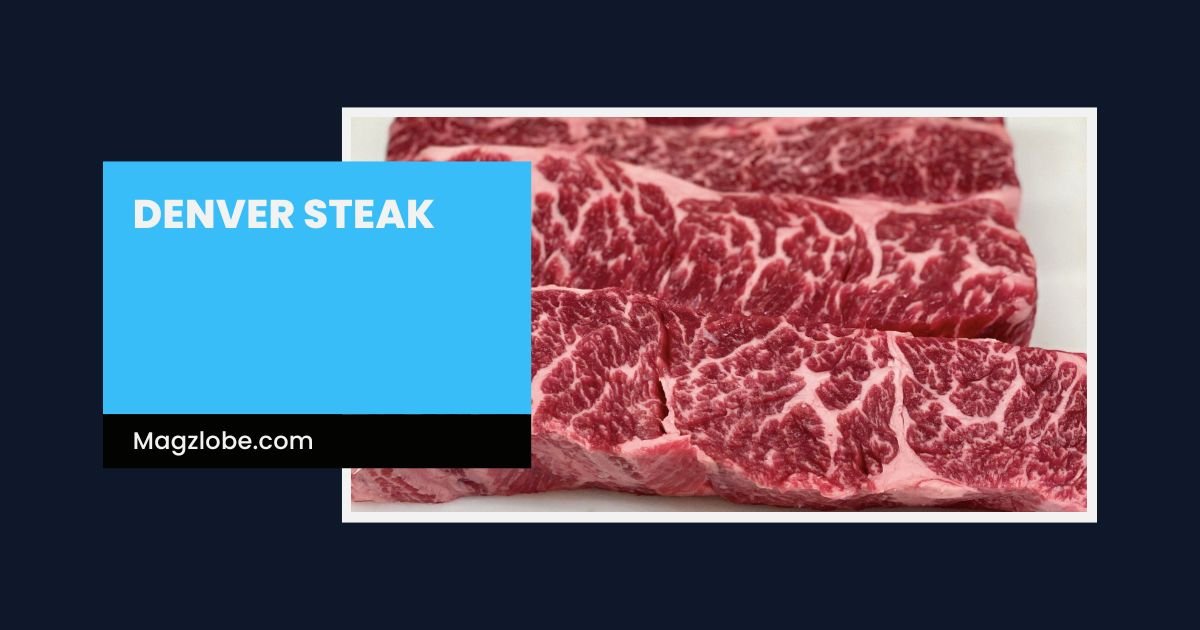
Denver steak is a boneless cut from the chuck primal section of the cow. Often called the “Denver cut” by butchers, it comes from the under-blade portion, which is known for its tenderness and marbling. Though it comes from the chuck, traditionally considered a tougher section, Denver steak is exceptionally tender when cooked properly.
Characteristics of Denver Steak:
-
Marbled beef for rich flavor
-
Tender texture, ideal for quick cooking
-
Thicker cut (typically 1–1.5 inches)
-
Affordable compared to premium cuts like ribeye
This combination of flavor, tenderness, and affordability has made it a favorite among steak enthusiasts looking for a cut that rivals higher-end steaks without the premium price tag.
How Denver Steak Differs From Other Cuts
Many confuse Denver steak with chuck steak or flat iron steak, but there are key differences:
| Cut | Location | Tenderness | Flavor Profile | Best Cooking Methods |
|---|---|---|---|---|
| Denver Steak | Chuck under-blade | Tender | Beefy, rich | Grilled, pan-seared, sous vide |
| Flat Iron | Chuck shoulder | Very tender | Mild | Grilled, sautéed |
| Ribeye | Rib primal | Very tender | Extremely rich | Grilled, broiled |
| Chuck Steak | Chuck primal | Tougher | Beefy | Slow-cooked, braised |
Understanding these differences helps in choosing the right cut for your recipe and cooking method.
Why Denver Steak Is Gaining Popularity
Several factors contribute to Denver steak’s rising popularity:
-
Affordable Premium Flavor – It delivers a steakhouse experience at a fraction of the price.
-
Versatility in Cooking – Great for grilling, pan-searing, or even sous vide.
-
Rich Marbling – The fat content enhances flavor without being overly greasy.
-
Butcher-Friendly – Many butchers now market it directly to consumers, making it easy to find.
Professional chefs and home cooks alike appreciate Denver steak for its balance of flavor, tenderness, and ease of preparation.
How to Cook Denver Steak Perfectly
Denver steak can be cooked in various ways. Here are some popular methods:
1. Grilling
Grilling enhances the natural beef flavor.
Tips for Grilling Denver Steak:
-
Preheat your grill to medium-high heat.
-
Season with salt, pepper, and your favorite steak rub.
-
Sear for 3–4 minutes per side for medium-rare.
-
Rest for 5 minutes before slicing against the grain.
2. Pan-Seared
Pan-searing creates a caramelized crust and juicy interior.
Pan-Seared Method:
-
Heat a cast iron skillet over high heat.
-
Add oil with a high smoke point (like avocado or grapeseed).
-
Sear 3–4 minutes per side.
-
Add butter, garlic, and thyme for finishing flavor.
3. Sous Vide
Sous vide ensures perfectly cooked, tender steak every time.
Tips:
-
Set temperature to 130°F for medium-rare.
-
Vacuum seal the steak with herbs and butter.
-
Cook for 1.5–2 hours.
-
Finish with a quick sear in a hot skillet.
Denver Steak Marinades and Seasonings
Marinades enhance Denver steak’s natural flavor. Here are some options:
-
Classic Garlic & Herb – Olive oil, garlic, rosemary, thyme, salt, and pepper.
-
Soy & Brown Sugar – Soy sauce, brown sugar, garlic, ginger.
-
Spicy Cajun – Paprika, cayenne, garlic powder, onion powder, salt.
-
Balsamic Glaze – Balsamic vinegar, honey, garlic, black pepper.
Pro tip: Marinate for 30–60 minutes for maximum flavor without compromising texture.
Denver Steak Recipes to Try
1. Grilled Denver Steak with Chimichurri
-
Ingredients: Denver steak, olive oil, chimichurri sauce
-
Method: Grill steak to medium-rare, serve with fresh chimichurri.
2. Pan-Seared Denver Steak with Garlic Butter
-
Ingredients: Steak, butter, garlic, thyme
-
Method: Sear steak in cast iron, top with garlic-thyme butter.
3. Denver Steak Stir-Fry
-
Ingredients: Sliced Denver steak, bell peppers, soy sauce, ginger
-
Method: Quick stir-fry for tender beef strips.
Nutritional Profile of Denver Steak
Denver steak is not only delicious but protein-rich and nutrient-dense:
-
Calories (per 4 oz): ~220
-
Protein: 23g
-
Fat: 15g
-
Iron: 15% of daily value
-
Vitamin B12: 25% of daily value
It’s a great option for high-protein diets and anyone looking to add iron and B vitamins naturally.
Tips for Buying Denver Steak
-
Look for good marbling – streaks of fat enhance flavor.
-
Check for bright red color – indicates freshness.
-
Choose cuts 1–1.5 inches thick for even cooking.
-
Ask your butcher for Denver cut specifically – it may be labeled under chuck primal.
Conclusion
It is a hidden gem in the world of beef cuts. With its tender texture, rich flavor, and affordability, it’s perfect for both home cooks and professional chefs. Whether you grill it, pan-sear it, or try sous vide, mastering Denver steak will elevate your meals to steakhouse quality. Don’t overlook this versatile cut next time you’re at the butcher or grocery store – your taste buds will thank you.
Also Read: Pertadad: Focused Performance Data for Better Decisions
FAQs
1. What is a Denver steak, and where does it come from?
It comes from the under-blade portion of the chuck primal. It’s tender and flavorful despite being part of the traditionally tougher chuck.
2. How do you cook a Denver steak for maximum tenderness?
Grilling, pan-searing, or sous vide works best. Always cook to medium-rare and rest before slicing.
3. Is it is the same as chuck steak?
No, It is a specific boneless cut from the chuck that is more tender and marbled than standard chuck steak.
4. What are the best marinades for Denver steak?
Garlic and herb, soy-brown sugar, spicy Cajun, and balsamic glaze all enhance flavor while maintaining tenderness.
5. How does it compare to ribeye or flat iron steak?
It is slightly less tender than ribeye but more affordable. Compared to flat iron, it has more marbling and richer flavor.