
Nahttypen: A Complete Guide to Seam Types and Sewing Perfection
Introduction
Every piece of clothing you wear hides a secret — the seams that hold it together. In the world of sewing, the term nahttypen represents the wide variety of seam types used to shape, strengthen, and finish garments. Whether you’re a beginner with a needle or a professional tailor, understanding these seam types can transform your sewing projects from simple fabric joins to works of craftsmanship.
Understanding the Concept of Nahttypen
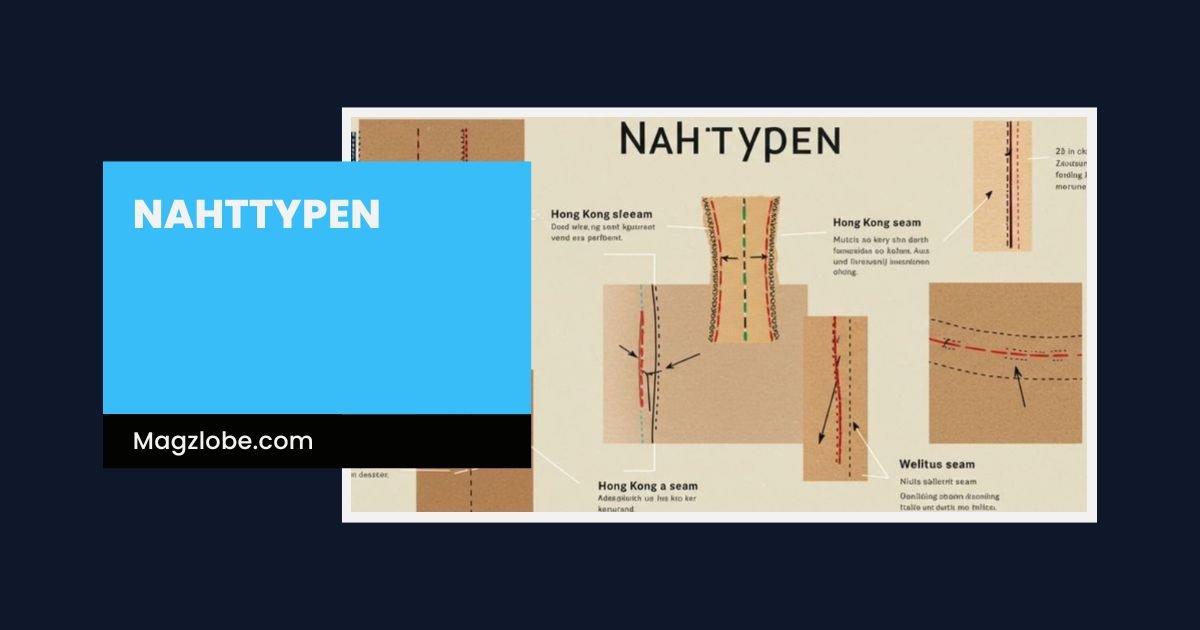
The word nahttypen comes from German, meaning “types of seams.” In sewing, seams are the backbone of garment construction — they’re the lines that bring two pieces of fabric together with precision. Each seam type serves a different purpose: some add durability, others create aesthetic appeal, and a few are essential for flexibility or decorative effects.
Sewing isn’t just about joining fabrics; it’s about mastering stitching techniques that influence fit, finish, and overall look. When choosing your seam type, you’re essentially deciding the strength, stretch, and personality of your creation.
The Most Common Nahttypen in Sewing
Let’s explore the most popular nahttypen that both hobbyists and professionals use worldwide.
1. Plain Seam – The Classic Foundation
The plain seam is the simplest yet most frequently used type in garment construction. It’s formed by placing two fabric pieces right sides together and stitching along the edge. This seam works perfectly for lightweight fabrics like cotton or linen.
Best for: Blouses, skirts, dresses.
Tip: Always press your seam allowances open for a clean finish.
2. French Seam – The Elegant Finish
A favorite among high-end designers, the French seam conceals raw fabric edges inside the seam itself, giving garments a refined, professional look. It’s especially effective for delicate fabrics such as silk or chiffon.
Why it matters: It prevents fraying and gives your garments interior beauty as well as outer polish.
3. Flat-Felled Seam – Built for Strength
This is the seam you’ll find on your jeans. It’s designed for strength and durability by folding and stitching the fabric edges together. It’s often used in workwear or denim, where garments face heavy stress.
Brands like Levi’s and Wrangler rely on flat-felled seams to ensure their jeans survive years of wear.
4. Overlock Seam – The Modern Machine Finish
With machines from brands such as Brother, Singer, or Janome, overlock seams are fast and efficient. The overlocker trims excess fabric while stitching, preventing unraveling and creating a polished edge.
Ideal for: Knitwear, activewear, and stretchy fabrics.
Pro tip: Adjust your thread tension for smooth, even stitching.
5. Zigzag Seam – The Stretch-Friendly Stitch
This type of seam allows for movement, making it perfect for elastic or jersey materials. It’s also a great decorative option. A zigzag seam can be both functional and visually appealing, depending on your thread color and fabric choice.
6. Blind Stitch – Invisible Elegance
Used mainly for hemming trousers, skirts, or curtains, the blind stitch hides itself on the fabric’s right side. It’s often used in professional tailoring to maintain a seamless, elegant appearance.
How to Choose the Right Nahttypen for Your Project
Selecting the right seam type depends on:
-
Fabric type: Lightweight vs. heavy fabric.
-
Garment purpose: Fashion vs. functionality.
-
Sewing tools: Machine or hand stitching.
-
Desired look: Decorative or invisible.
Fabric Considerations
Different fabrics demand specific nahttypen. For example, chiffon needs enclosed seams like the French seam, while denim calls for sturdy flat-felled seams.
Rule of thumb:
-
Light fabrics = neat, narrow seams.
-
Heavy fabrics = reinforced or double seams.
Durability vs. Flexibility
If you’re creating garments that must withstand wear, focus on reinforced seams such as double stitching or flat-felled seams. For flexibility and stretch, zigzag or overlock seams perform best.
Essential Tools for Perfect Nahttypen
Achieving professional-quality seams requires the right equipment. Some essential tools include:
-
Sewing machine (Singer, Brother, Janome)
-
Tailor’s chalk for marking seam allowances
-
Dressmaker’s shears for clean fabric cuts
-
Seam gauge for precise measurements
-
Iron for pressing seams flat
-
Pins and clips to secure fabrics before stitching
Using reliable tools from entities like Pfaff or Bernina ensures precision and consistency.
Professional Techniques for Seam Finishing
Even with perfect stitches, unfinished seams can look sloppy. Seam finishing techniques help improve both appearance and longevity.
Pressing and Trimming
Always press your seams after stitching. A well-pressed seam lays flat and looks professional. Trim any loose threads and clip curves or corners for smooth edges.
Binding and Overcasting
Bind your seam edges with bias tape or overcast using a zigzag stitch. These prevent fraying and make garments last longer, especially after multiple washes.
Common Mistakes in Nahttypen and How to Avoid Them
-
Ignoring fabric type: Always test your seam on scrap fabric first.
-
Incorrect tension: Uneven stitches often result from improper thread tension.
-
Skipping pressing: Never underestimate how much pressing improves the look of your seams.
-
Not securing ends: Backstitch or lockstitch at the start and end of each seam to prevent unraveling.
Learning Nahttypen as a Beginner
If you’re new to sewing, start with the basic plain seam and gradually explore others. Online tutorials and sewing classes (from fashion design schools) can help you understand different techniques practically.
Practice makes perfect: Experiment with varied fabrics, seam allowances, and thread colors to find what works best for you.
Conclusion
Mastering nahttypen isn’t just about stitching fabrics — it’s about understanding the language of clothing construction. From durability to design, every seam tells a story of craftsmanship and creativity. Whether you’re sewing by hand or with a Brother or Singer machine, choosing the right seam type can elevate your entire project. So, thread your needle, choose your fabric, and let the art of nahttypen guide your next masterpiece.
Also Read: Sosoactive: How to Build a Loyal Audience with Story-First Content
FAQ Section
Q1: What are the most common nahttypen used in sewing?
A: The most common seam types include plain, French, flat-felled, zigzag, and overlock seams.
Q2: Which seam types are best for durable garments?
A: Flat-felled and double-stitched seams are known for their durability and strength.
Q3: How can beginners learn about different nahttypen?
A: Beginners can learn through tutorials, sewing classes, or practice using simple projects like pillowcases or tote bags.
Q4: What tools are essential for making professional-quality seams?
A: A good sewing machine, tailor’s chalk, scissors, seam gauge, and iron are essential.
Q5: How does fabric type affect the choice of nahttypen?
A: The lighter the fabric, the finer the seam; heavier fabrics require stronger, reinforced seams.