

Introduction
Wabi sabi is more than an aesthetic — it’s a gentle philosophy that teaches you to notice the quiet moments and the imperfect details of life. Rooted in ancient Japanese traditions, wabi sabi encourages presence, simplicity, and acceptance. In a world obsessed with perfection, this mindful way of living offers a refreshing sense of calm and authenticity.
What Is Wabi Sabi? Understanding the Japanese Aesthetic of Imperfection
Wabi sabi is a Japanese aesthetic rooted deeply in Zen Buddhism and the appreciation of impermanence. Instead of valuing shiny, flawless, factory-made items, it celebrates the quiet beauty of things marked by time, nature, and use.
Think of a handmade clay cup with uneven edges, or a wooden table softened by decades of touch. These aren’t flaws — they are stories.
Authors like Leonard Koren popularized wabi sabi in the modern world, while thinkers such as Soetsu Yanagi and tea master Sen no Rikyū shaped its principles centuries ago. The philosophy blends rustic simplicity (“wabi”) and graceful aging (“sabi”), forming an aesthetic that embraces life’s small truths.
The Cultural Roots: Zen Philosophy, Nature, and the Art of Appreciation
The wabi sabi worldview comes from three major cultural influences:
1. Zen Buddhism
Zen teaches mindfulness, meditation, and the idea that everything is transient. Wabi sabi’s acceptance of natural cycles mirrors this.
2. Shinto and Nature
Japan’s deep respect for nature inspired many wabi sabi elements — organic textures, earthy tones, and harmony with natural landscapes.
3. The Japanese Tea Ceremony
The Japanese tea ceremony (Chadō) is foundational. Tea masters intentionally used rustic bowls and imperfect utensils to remind guests of humility and presence.
This connection to heritage continues through the Mingei Movement, which elevated everyday handcrafted objects as containers of cultural and personal spirit.
Key Principles of Wabi Sabi (With Real-Life Examples)
Wabi sabi can feel abstract until you experience it. Here are its core principles made practical:
1. Impermanence
Everything changes — the seasons, your emotions, your relationships.
Example: A linen curtain fading slightly each year becomes more meaningful, not less.
2. Imperfection
Flaws give character and uniqueness.
Example: A cracked bowl repaired using kintsugi becomes more treasured than a new one.
3. Simplicity
Simplicity doesn’t mean emptiness — it means clarity.
Example: A room with only a wooden table, soft lighting, and one plant can feel more comforting than a cluttered space.
4. Naturalness
Nature is the greatest teacher of beauty.
Example: A rough stone path winding around a tree is more soothing than straight cement blocks.
5. Authenticity
Honesty in materials, emotions, and experiences.
Example: A handmade mug with slight unevenness feels personal because someone’s hands shaped it.
How to Apply Wabi Sabi in Home Design
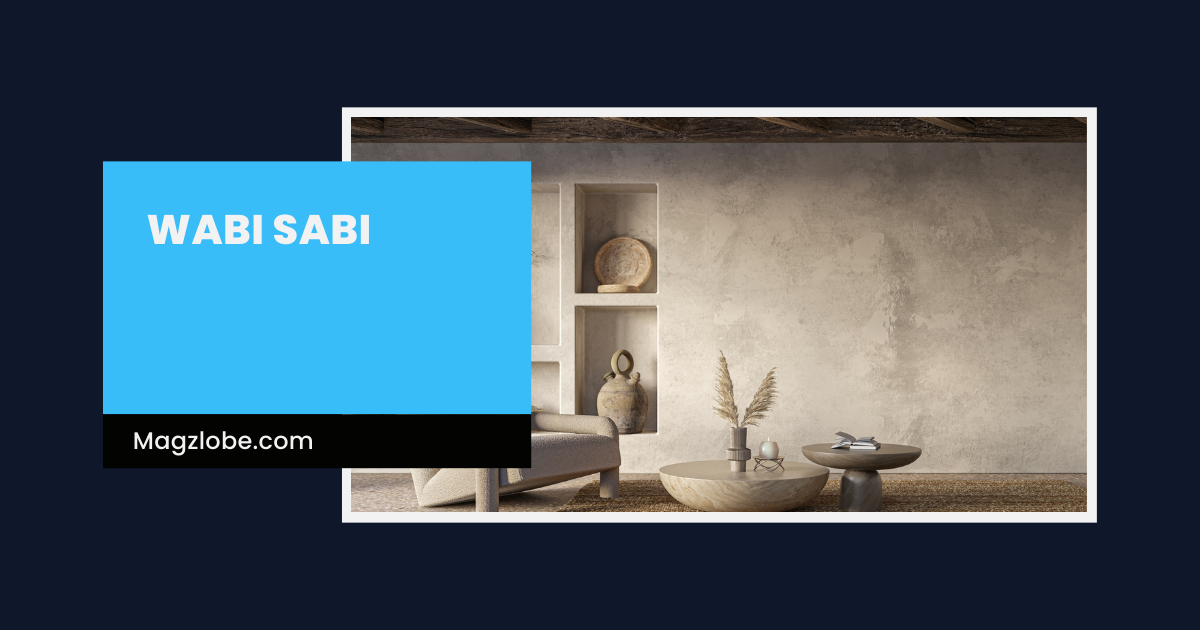
You don’t need a Japanese home or expensive decor to embrace wabi sabi. Small, intentional changes transform a space dramatically.
Use Natural and Organic Materials
Choose:
-
wood
-
clay
-
linen
-
stone
-
jute
-
bamboo
Raw materials bring emotional warmth and grounding energy.
Prefer Earthy and Muted Tones
Wabi sabi color palette includes:
-
taupe
-
charcoal
-
cream
-
moss green
-
clay brown
-
muted beige
These tones create a calm environment aligned with nature.
Include Handcrafted Items
Handmade pottery, woven baskets, or wooden stools show the maker’s touch and reflect traditional craftsmanship.
Embrace Asymmetry
In nature, nothing is perfectly symmetrical — and neither should your decor be.
Try:
-
placing one vase instead of a pair
-
hanging a single artwork off-center
-
using uneven tableware
Let Objects Age Gracefully
Patina — the soft aging on metal, leather, or wood — is central to wabi sabi. Don’t hide it. Celebrate it.
A Practical 5-Step Wabi Sabi Home Transformation Checklist
-
Declutter: Keep only what you use or love.
-
Repair: Try kintsugi-inspired repairs or simple restorations.
-
Simplify: Choose fewer yet meaningful decor pieces.
-
Soften Lighting: Use warm bulbs, lamps, and candles.
-
Add Nature: A single branch in a vase can transform a room.
Wabi Sabi as a Lifestyle: Living With Presence and Acceptance
Wabi sabi extends beyond design — it’s a way of living.
Slow Living
Rushing steals joy. Wabi sabi encourages you to savor everyday rituals.
Examples:
-
making tea slowly
-
taking a mindful walk
-
journaling in a quiet corner
-
enjoying early morning sunlight
Emotional Acceptance
Just like objects, people are imperfect. Relationships feel lighter when you let go of “perfect expectations.”
Creative Freedom
Artists and writers benefit the most from this mindset.
Wabi sabi teaches:
-
your first draft is not supposed to be perfect
-
mistakes lead to discoveries
-
growth happens naturally
Common Misunderstandings About Wabi Sabi
“It’s just minimalism.”
No — minimalism removes excess for clarity, while wabi sabi accepts the imperfect and personal.
“It means neglecting your home.”
Wabi sabi is thoughtful, not careless. Objects are repaired and cared for, not abandoned.
“It’s a trend.”
The philosophy has existed since the 14th century. Modern brands like Muji reflect some of its values but wabi sabi is timeless.
Wabi Sabi in Creativity, Work, and Personal Growth
The philosophy offers invaluable lessons:
-
Accept creative mistakes
-
Celebrate progress over perfection
-
Allow ideas to evolve organically
-
Prioritize comfort over aesthetics
-
Focus on meaningful work
Artists like Isamu Noguchi and architects like Tadao Ando embody wabi sabi in their timeless, minimalist yet warm creations.
Conclusion
Wabi sabi is a gentle reminder that life doesn’t need to be flawless to be meaningful. By noticing nature, appreciating imperfections, and simplifying your surroundings, you create a life of authenticity and peace. Start with one object or ritual, and let the philosophy guide you toward everyday serenity. Embracing wabi sabi can quietly transform how you see the world.
Also Read: How to Build a Baddie Hub That Goes Viral on Instagram & TikTok
FAQ
1. What does this mean in everyday life?
It means appreciating small moments, embracing imperfections, and allowing things to unfold naturally instead of forcing perfection.
2. How do you practice at home?
Use natural materials, reduce clutter, repair instead of replace, and create spaces that feel calm, warm, and human.
3.This is the same as minimalism?
No. Minimalism focuses on reduction; wabi sabi focuses on authenticity, nature, and imperfect charm.
4. What are the core principles of wabi sabi?
Impermanence, simplicity, authenticity, asymmetry, and appreciation of natural aging.
5. How does wabi sabi improve mental well-being?
It reduces pressure for perfection, encourages acceptance, supports mindfulness, and brings calm through simple rituals.